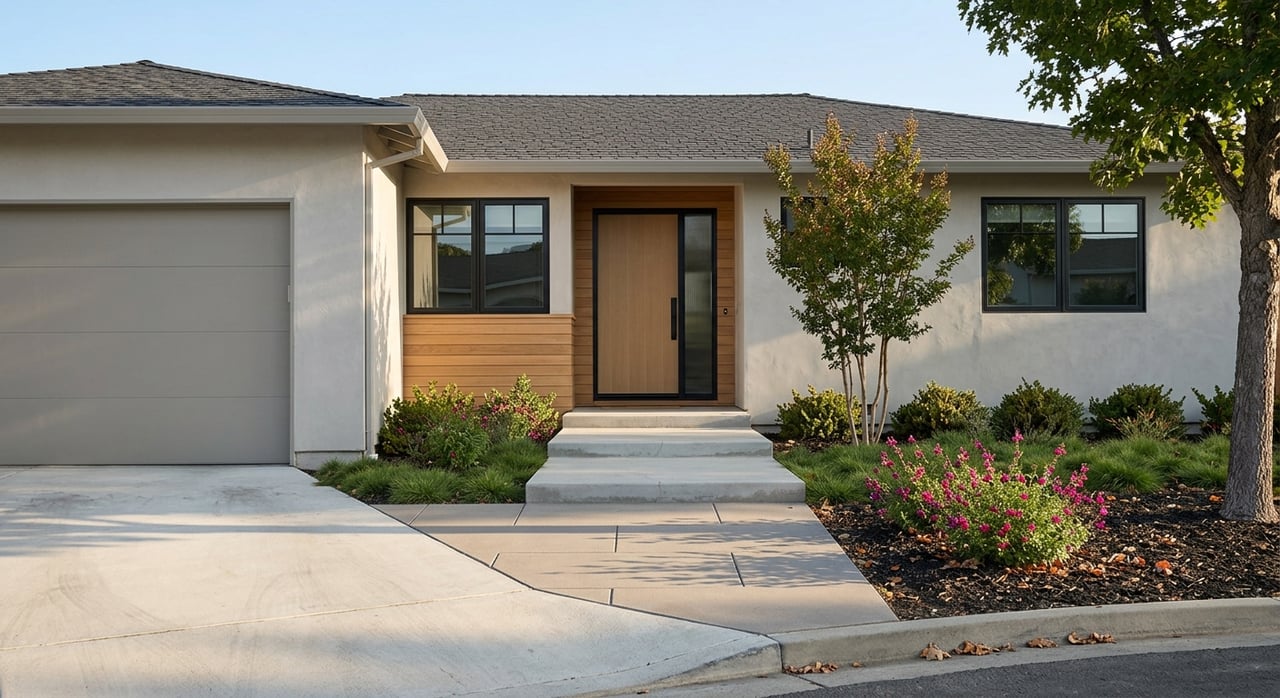
Choosing a Lincoln neighborhood can feel simple at first, until you realize how different one part of the city feels from the next. In one area, you may find older homes near a traditional downtown grid. In another, you may see newer master-planned communities with trails, parks, and larger floor plans. If you want a clear, practical way to compare your options in Lincoln, this guide will walk you through the city’s main neighborhood styles, typical housing choices, and what each area may offer day to day. Let’s dive in.
How Lincoln Is Laid Out
Lincoln sits in western Placer County at the base of the Sierra foothills. The city has an older central core around downtown and Lincoln Boulevard, while much of the newer residential growth stretches farther west and south in planned communities.
That layout matters when you start narrowing your search. Some parts of Lincoln are defined by historic streets, mature trees, and smaller homes, while others are known for newer construction, HOA amenities, open space, or age-restricted living. The city also highlights Lincoln as a walkable, bike-friendly, and NEV and golf-cart-friendly community, which can shape how you move around each day in different areas. According to the City of Lincoln planning documents, recent citywide market snapshots have clustered around the low-to-mid $600,000s depending on the metric used.
Lincoln Housing Options at a Glance
Before you focus on one neighborhood, it helps to think in broad housing categories. In Lincoln, your choices often fall into a few clear buckets.
- Historic and older in-town homes near downtown and central streets
- Established suburban homes in older in-town subdivisions and infill pockets
- Newer master-planned homes with parks, trails, and community amenities
- Luxury homes in higher-end private communities
- 55-plus homes designed for low-maintenance living and amenity-rich lifestyles
Lincoln also has a strong parks and open-space network that shapes how neighborhoods feel. The city has 25 municipal parks and notable open-space systems tied to areas like Lincoln Crossing, McBean Park, and Twelve Bridges/Verdera.
Downtown Lincoln and Historic Core
If you like character, walkability, and an older neighborhood pattern, downtown Lincoln is the place to start. The city describes downtown as its historic core, centered on a traditional grid from First to Seventh Street between G and E streets, with late-1800s buildings along Lincoln Boulevard and mostly single-story homes under mature trees as you move outward.
This part of Lincoln tends to offer smaller, older homes on modest lots. Current examples in the research include a 1922 two-bedroom bungalow around $290,000, a 1934 three-bedroom home around $430,000, and a 1952 three-bedroom home around $450,000. That does not set a fixed price range, but it does show the smaller-footprint, character-home profile common near downtown.
What to expect downtown
You are more likely to find:
- Older construction from the early to mid-1900s
- Smaller floor plans than newer subdivisions
- Modest lot sizes
- Traditional street grids and mature landscaping
- Proximity to downtown businesses and civic spaces
For many buyers, the appeal is lifestyle as much as the house itself. The city’s downtown study also points to a push for increased housing opportunities and a wider range of housing sizes and types over time.
McBean Park adds to the appeal
One of the biggest anchors in central Lincoln is McBean Park. The city calls it a 24-acre staple in the heart of Lincoln, and it includes a pool, stadium, dog park, trails, and event space.
If you want to be near one of Lincoln’s classic community gathering spots, the downtown and McBean Park area is worth a close look. This part of town is often the best fit for buyers who value convenience, local character, and a more established feel over brand-new construction.
Older In-Town Neighborhoods and Infill
Just outside the historic core, Lincoln has a useful middle category of housing. These are older in-town neighborhoods and infill pockets where you still get a central location, but the homes feel more like conventional suburban houses than historic downtown properties.
These are not presented as one official city neighborhood name, but they are a practical group for buyers comparing options. Based on current examples in the research, homes in these areas often date from the 1930s to the 1960s and offer about 1,000 to 1,400 square feet on roughly 6,000 to 7,000 square-foot lots.
Why buyers consider this category
This part of Lincoln may appeal to you if you want:
- A central location without being right in the historic core
- Older homes with more traditional suburban layouts
- Features like RV access on some properties
- Homes marketed with no HOA or no Mello-Roos in some cases
- Access to downtown and McBean Park without moving into a newer master plan
In practical terms, this category can offer a middle ground. You may get more lot space or a more conventional home layout than downtown, while still staying close to the center of Lincoln.
Lincoln Crossing
If you want a newer planned-community feel at a more middle-market price point for Lincoln, Lincoln Crossing is one of the city’s best-known options. The city says Lincoln Crossing covers 1,070 acres west of Highway 65 and south of Auburn Ravine, with open-space corridors and trail links.
This area is often attractive to buyers who want neighborhood amenities and more modern floor plans. Recent listings referenced in the research describe features such as pools, a gym, ball courts, and even home internet in some HOA products.
Lincoln Crossing price range and lifestyle
By Lincoln standards, Lincoln Crossing tends to sit in a mid-range planned-community slot. Redfin’s neighborhood data in the research shows a recent median listing price around $605,000, with examples ranging from about $479,000 for a three- to four-bedroom home to about $724,000 for a larger four-bedroom, three-bath home.
That range gives you some flexibility. If you want newer construction style, community amenities, and a location within one of Lincoln’s larger established master-planned areas, Lincoln Crossing is a strong category to compare.
Twelve Bridges
For buyers focused on newer construction, open space, and a wider range of home sizes, Twelve Bridges stands out. This area sits on Lincoln’s newer-growth northwest edge and is closely tied to a large open-space and parks network.
According to the city, the Twelve Bridges and Verdera open-space system totals 1,136 acres, including 813 acres in Twelve Bridges and 300 acres in Verdera. The area also includes parks and park projects such as Twelve Bridges Park, Wilson Park, and Bella Breeze Park.
What makes Twelve Bridges different
Twelve Bridges tends to offer:
- Newer homes and communities
- More open-space access
- A broad range of home sizes
- A higher price ceiling than some other Lincoln neighborhoods
- Options for buyers looking for move-up housing
The research shows this range clearly. Velare at Twelve Bridges starts around $499,900 for three- to four-bedroom plans of roughly 1,933 to 3,173 square feet, while Redfin’s Twelve Bridges Village data in the research shows a recent median sale price near $800,000.
If you want a newer-home environment with room to grow and strong access to parks and open space, Twelve Bridges is one of the most important areas to evaluate.
Verdera and Catta Verdera
At the top end of Lincoln’s market, Verdera is the luxury outlier. This area is especially notable for Catta Verdera, which the city describes as a private community with 614 homes on about 900 acres, along with golf-course and country-club amenities.
This is the part of Lincoln to watch if your search centers on luxury construction, larger homesites, private-community living, or golf-oriented amenities. It occupies a different price tier from much of the rest of the city.
Luxury pricing in Verdera
The research shows a substantial jump in pricing here. Redfin’s Verdera market page cited in the research shows a median sale price around $1.775 million, with pending listings around $2.07 million.
For buyers comparing Lincoln neighborhoods across a wide budget range, Verdera is less about entry-level or middle-market options and more about premium living, privacy, and a higher-end planned setting.
Sun City Lincoln Hills
If you are looking for a 55-plus community in Lincoln, Sun City Lincoln Hills is the city’s major active-adult option. It is also one of the biggest and most established master-planned communities in the area.
A city planning document says the community began in 1999 and now has more than 6,500 homes. Community information highlights two lodges, indoor and outdoor pools, an indoor walking track, fitness centers, more than 75 clubs, 19 trails totaling 27 miles, and two 18-hole golf courses.
What housing looks like in Sun City Lincoln Hills
The practical draw here is low-maintenance living, often in single-story homes, paired with a strong amenities package. Recent listings in the research include a two-bedroom, two-bath home around $495,000, another around $589,000, and a three-bedroom, two-bath home around $544,000.
Redfin data cited in the research places the February 2026 median sale price at about $594,000. If you want a home that supports an amenity-rich, lower-maintenance lifestyle in a 55-plus setting, Sun City Lincoln Hills amenities are a big part of why this area remains so popular.
Liberty at Lincoln
Liberty at Lincoln is the newest large master-planned entry in the city. If your priority is new construction in a growing community, this is one of the key places to watch.
According to the builder, Liberty at Lincoln is located off Ferrari Ranch Road and Liberty Parkway. At build-out, the community is planned to include a 7,000-plus-square-foot clubhouse, about 56 acres of parks, 32 acres of dedicated open space, 18 miles of integrated paths and trails, and single-family home plans from roughly 1,933 to 3,173 square feet in three- to five-bedroom layouts.
Who Liberty may fit best
Liberty may be worth your attention if you want:
- A newer master-planned setting
- Modern floor plans and larger layouts
- Integrated trails and park space
- A community still taking shape over time
The site also notes that a future TK-8 school is planned within the community. For buyers who prefer brand-new housing and want to be part of Lincoln’s next wave of growth, Liberty is an important neighborhood to include in your search.
Which Lincoln Neighborhood Fits You Best?
The right area depends on how you want to live day to day, not just the list price. Lincoln offers a real mix, which is part of what makes the city appealing.
Here is a simple way to think about it:
- Choose downtown Lincoln or the McBean Park area if you want walkability, historic character, and older homes.
- Choose older in-town neighborhoods and infill pockets if you want a central location with more traditional suburban homes and possible no-HOA options.
- Choose Lincoln Crossing if you want a mid-market planned-community feel with neighborhood amenities.
- Choose Twelve Bridges if you want newer construction, more open space, and a broader move-up price range.
- Choose Verdera or Catta Verdera if you are shopping for luxury living with golf-oriented amenities.
- Choose Sun City Lincoln Hills if you want low-maintenance 55-plus living with extensive clubs, trails, and recreation.
- Choose Liberty if you want one of Lincoln’s newest large master-planned communities.
A Smart Way to Compare Homes in Lincoln
When you tour different parts of Lincoln, focus on more than square footage and finishes. Pay attention to how each area lines up with your routine, budget, and long-term plans.
A few questions can help you compare clearly:
- How important is walkability or golf-cart and NEV access to your daily life?
- Do you prefer historic character or newer construction?
- Would you use HOA amenities like pools, clubhouses, fitness centers, or trails?
- Are you comfortable paying more for newer homes or luxury features?
- Do you want a central in-town feel or a larger master-planned setting?
The more clearly you define your priorities, the easier it becomes to sort Lincoln’s neighborhoods into the ones that truly fit and the ones that do not.
Lincoln gives you more variety than many buyers expect, from historic bungalows near downtown to luxury homes in private communities and low-maintenance 55-plus living. If you want help comparing neighborhoods, price points, and tradeoffs in a clear, low-pressure way, connect with The Alfano Group at Compass for local guidance tailored to your goals.
FAQs
What is the best Lincoln neighborhood for walkability and historic character?
- Downtown Lincoln and the McBean Park area are the strongest fit if you want walkability, older homes, and a traditional historic core.
What is the best Lincoln neighborhood for newer master-planned living?
- Lincoln Crossing, Twelve Bridges, and Liberty are the main options if you want newer homes, planned amenities, trails, parks, and a more modern neighborhood layout.
What is the difference between Twelve Bridges and Verdera in Lincoln?
- Twelve Bridges offers a broad range of newer homes and open-space access, while Verdera, especially Catta Verdera, sits in a higher luxury price tier with private-community and golf-oriented amenities.
What housing options are available in Sun City Lincoln Hills?
- Sun City Lincoln Hills mainly offers low-maintenance 55-plus single-family homes, often in single-story layouts, along with extensive community amenities.
Are there older homes near downtown Lincoln?
- Yes. The downtown core and nearby central streets include older homes from the early to mid-1900s, often with smaller floor plans, modest lots, and established neighborhood character.
What price range should you expect in Lincoln neighborhoods?
- Lincoln’s citywide market snapshots have recently clustered in the low-to-mid $600,000s depending on the metric, but neighborhood pricing varies widely from older homes near downtown to luxury homes in Verdera.
